
How the Porsche 911 Became an Icon in Motorsport
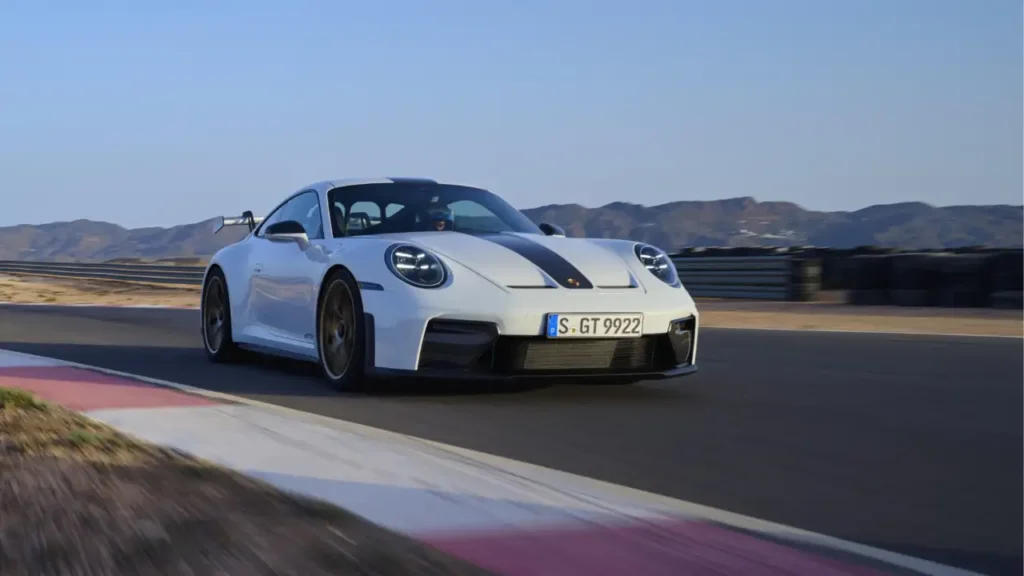
Few cars have made as profound an impact on motorsport history as the Porsche 911. From its early days in rally racing to its dominance in endurance events and circuit racing, the 911 has continually evolved while staying true to its core DNA. This article delves deep into the factors that transformed the Porsche 911 from a stylish sports car into a motorsport legend.
The Birth of an Icon: The Early Days of the Porsche 911
The Porsche 911 debuted in 1964 as a successor to the Porsche 356. Designed by Ferdinand “Butzi” Porsche, the 911 was an evolution of the company’s philosophy of lightweight construction, rear-engine configuration, and precision handling. Initially met with skepticism due to its unconventional rear-engine design, the 911 quickly proved itself as a formidable competitor on the track.
The early years saw the 911 participating in various racing disciplines, with Porsche engineers continuously tweaking its aerodynamics, engine performance, and weight distribution to refine its racing pedigree. By the late 1960s, the 911 had already established a reputation as a competitive machine.
Dominance in Rallying: The 911 Takes on the Dirt
One of the earliest indications of the 911’s racing potential was its success in rally racing. The 911’s combination of agility, power, and durability made it a natural contender on rugged terrain.
- 1965 Monte Carlo Rally: The Porsche 911 made an immediate impact, finishing fifth overall despite being a relatively new entrant to rally racing.
- 1970s Rally Scene: The 911 further cemented its reputation in the 1970s, with victories in the East African Safari Rally and the grueling Paris-Dakar Rally, showcasing its rugged adaptability.
- 1984 Paris-Dakar Win: Porsche developed the 911-based 953, an all-wheel-drive version that dominated the event, demonstrating the model’s ability to compete in off-road endurance racing.
Circuit Racing Success: The 911 Becomes a Track Legend
The transition from rallying to endurance and circuit racing marked a new chapter in the 911’s motorsport journey. Porsche strategically developed the 911 to meet the demands of high-speed track racing while retaining its distinctive characteristics.
Le Mans and Endurance Racing
Porsche’s venture into endurance racing with the 911 yielded extraordinary success, particularly in events like the 24 Hours of Le Mans, Daytona 24, and Sebring 12 Hours.
- 1979 Le Mans Victory: A Porsche 935, based on the 911, took the overall victory at Le Mans, a testament to the car’s endurance capabilities.
- Role of the 911 RSR and GT3 Models: The introduction of models like the 911 Carrera RSR and GT3 allowed Porsche to dominate in GT racing categories, consistently winning class victories at Le Mans and other endurance events.
Evolution Through Generations
The 911’s continuous evolution has ensured its relevance in motorsport. Key milestones include:
- Porsche 911 GT1 (1996-1998): A prototype variant that secured victories at Le Mans.
- 911 GT3 R and GT3 RSR: Designed for customer racing teams, these models have become mainstays in GT racing.
- Porsche 911 RSR (2017-Present): A mid-engine adaptation that further optimized the 911’s performance in modern endurance racing.
Porsche 911 vs. Competitors: A Racing Comparison
| Feature | Porsche 911 | Ferrari 488 GT3 | Chevrolet Corvette C8.R | Aston Martin Vantage GT3 |
|---|---|---|---|---|
| Engine Layout | Rear-engine | Mid-engine | Mid-engine | Front-engine |
| Racing Heritage | Over 60 years | 30+ years | 70+ years | 50+ years |
| Le Mans Wins (Class) | 30+ | 10+ | 9 | 5 |
| Customer Racing Support | Extensive | Moderate | Limited | Moderate |
| Durability & Reliability | Exceptional | High | High | Moderate |
The Role of Technology and Innovation in 911’s Motorsport Success
Porsche has continuously pushed the boundaries of innovation to keep the 911 competitive. Some key advancements include:
- Aerodynamics: Introduction of active aerodynamics and downforce optimization.
- Lightweight Materials: Extensive use of carbon fiber and aluminum to reduce weight while maintaining structural integrity.
- Engine Evolution: Continuous improvements in turbocharging and hybrid technology, such as the Porsche 911 Hybrid concept for future motorsport applications.
- Driver Assistance & Telemetry: Advanced driver telemetry tools that provide real-time race data, enhancing both professional and amateur racing efforts.
Why the Porsche 911 Remains a Motorsport Icon
Despite competition from modern supercars and hypercars, the Porsche 911 remains a favorite among professional racers and enthusiasts alike. Key reasons for its sustained dominance include:
- Unmatched Versatility: The 911 can compete across different racing formats, from endurance racing to sprint races and even rallying.
- Strong Customer Racing Program: Porsche actively supports private racing teams, making the 911 a popular choice for independent racers.
- Consistent Performance: Unlike some competitors that rely on radical redesigns, the 911 has retained its fundamental characteristics while continuously improving.
- Passionate Community: Porsche’s racing legacy is deeply ingrained in its global community, from factory-backed teams to weekend racers who take their GT3s to the track.
FAQs About the Porsche 911 in Motorsport
1. What makes the Porsche 911 so successful in racing?
The 911’s success stems from its balanced weight distribution, aerodynamic efficiency, and continuous technological innovation, which allow it to perform well in various racing conditions.
2. How has Porsche adapted the 911 for endurance racing?
Porsche has optimized aerodynamics, enhanced cooling systems, and integrated lightweight materials to make the 911 more durable for endurance races like Le Mans and Daytona.
3. Can a standard Porsche 911 be used for racing?
Yes, many enthusiasts race stock 911s in club events. Porsche also offers track-focused models like the GT3 and GT3 RS, designed for competitive racing.
4. What is the difference between a Porsche 911 GT3 and a GT3 RSR?
The GT3 is a road-legal track car, while the GT3 RSR is a pure race car designed for endurance racing with enhanced aerodynamics and a race-tuned engine.
5. Is the Porsche 911 still competitive in modern motorsport?
Absolutely. The 911 continues to dominate GT racing categories worldwide, with Porsche consistently refining the car’s performance and technology.
Conclusion: A Legacy That Continues to Evolve
The Porsche 911’s journey in motorsport is a testament to engineering excellence, adaptability, and passion. Its ability to evolve while maintaining its core identity has cemented its status as one of the most iconic racing cars in history. Whether on the track, in endurance racing, or even on rally stages, the 911 continues to inspire new generations of racers and enthusiasts alike.
As Porsche looks toward the future with hybrid and electric developments, the spirit of the 911 in motorsport remains as strong as ever. Enthusiasts and professional racers can expect the 911 to continue breaking barriers and setting new benchmarks for performance and endurance in the years to come.


